Architecture is a combination of art and science, reflecting the culture, lifestyle, and aesthetics of different eras. Each architectural style conveys a unique feeling and meaning, from luxury and elegance to simplicity and modernity. Below are the ten most popular architectural styles worldwide, with detailed insights into their characteristics, applications, and significance.
1. Modernism
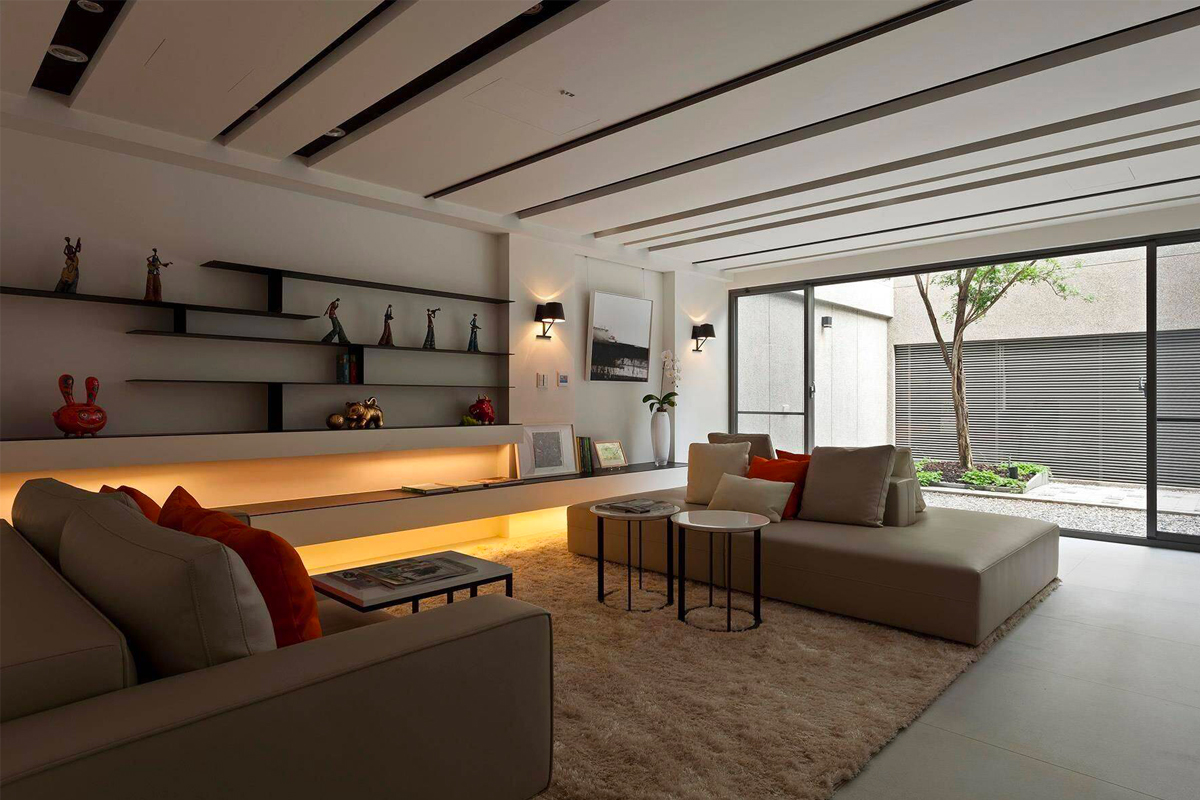
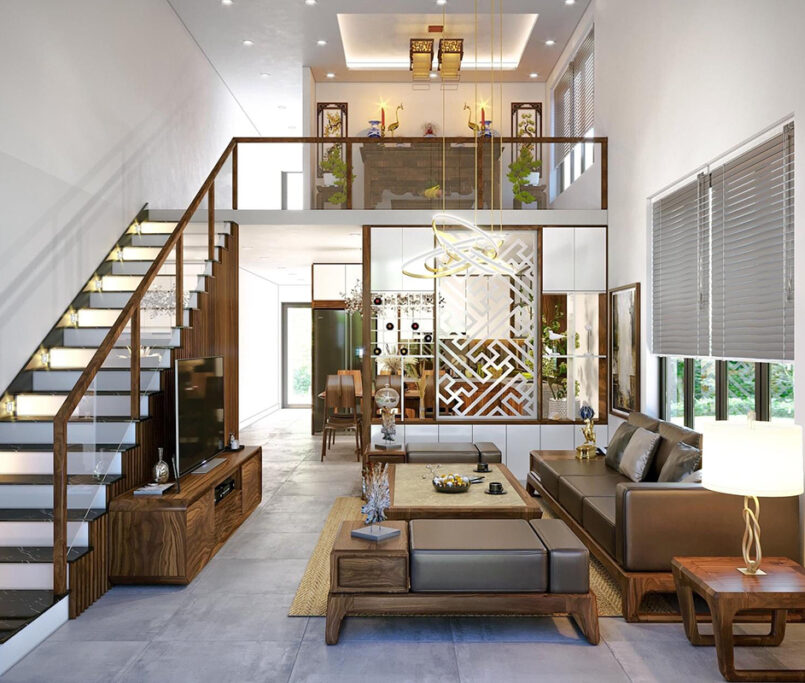
Modern architecture emerged in the late 19th and early 20th centuries, emphasizing simplicity, functionality, and practicality. It rejects unnecessary ornamentation in favor of clean lines, geometric forms, and open spaces.
Key Features: – Minimalist forms with no excessive decoration. – Extensive use of glass, steel, and concrete. – Open floor plans and maximization of natural light.
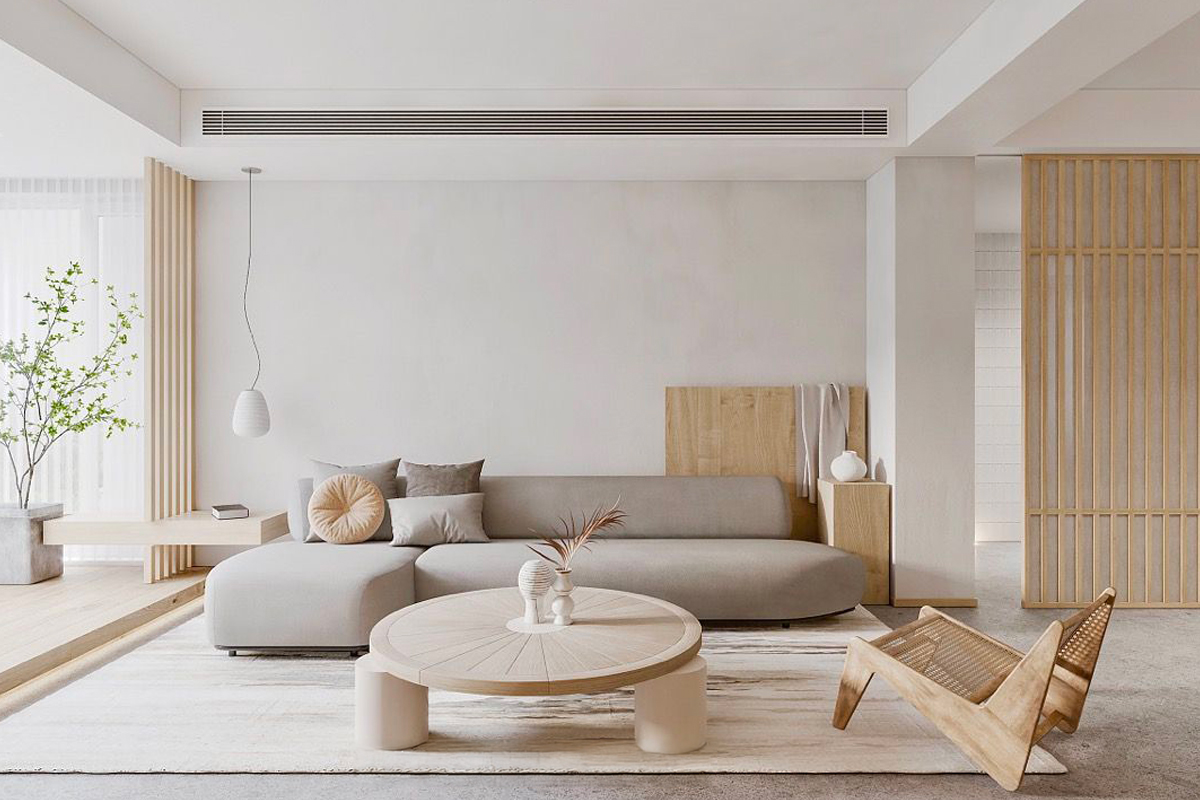
Minimalism evolved from Modernism, taking the concept of simplicity even further. It focuses on decluttering spaces, reducing elements to their essential form, and prioritizing functionality.
Key Features: – Neutral color palettes, often dominated by white, gray, and black. – Simple geometry and open spaces. – Use of natural materials like wood, concrete, and glass.
Applications: Contemporary homes, art galleries, boutique hotels.
3. Neoclassicism
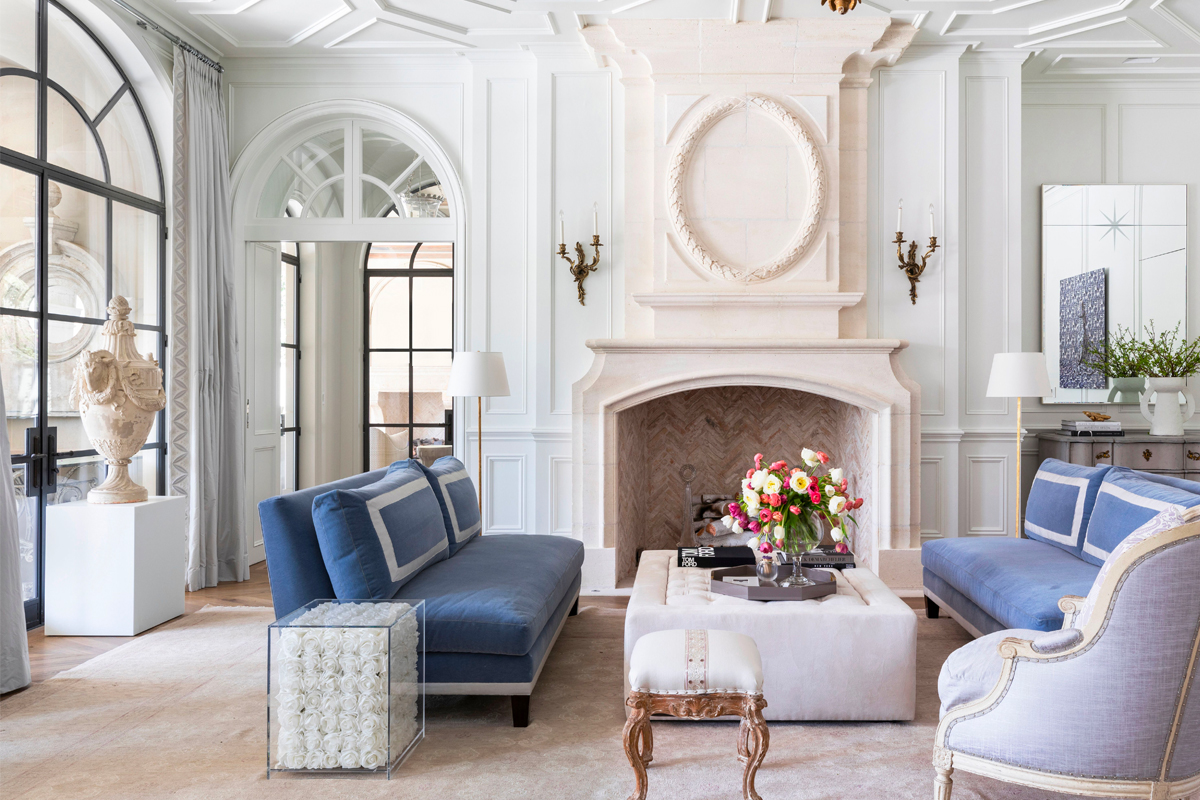
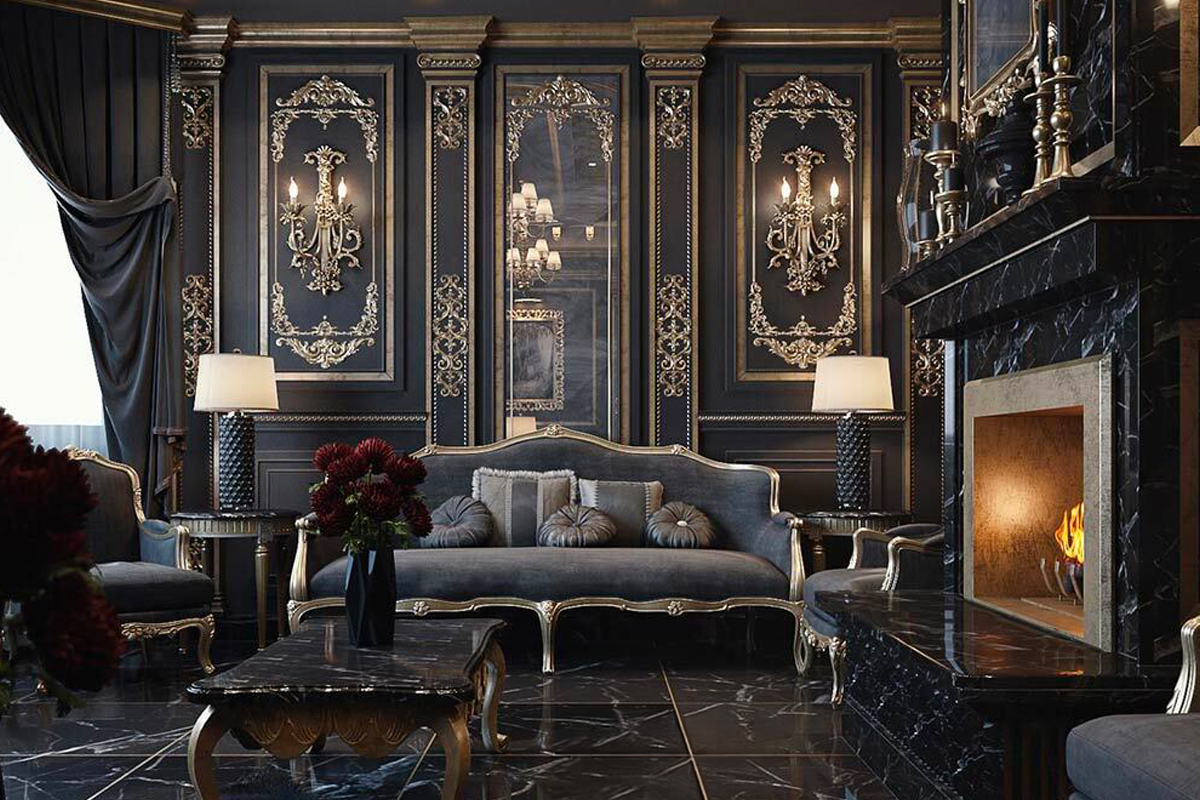
Neoclassical architecture blends elements from Greek and Roman traditions with modern aesthetics. It retains a sense of grandeur and elegance while being more restrained than classical architecture.
Key Features: – Symmetrical layouts and grand columns. – Subtle decorative details and pastel color schemes. – Use of luxurious materials like marble and ornate moldings.
Applications: Luxury villas, government buildings, upscale hotels.
4. Classicism
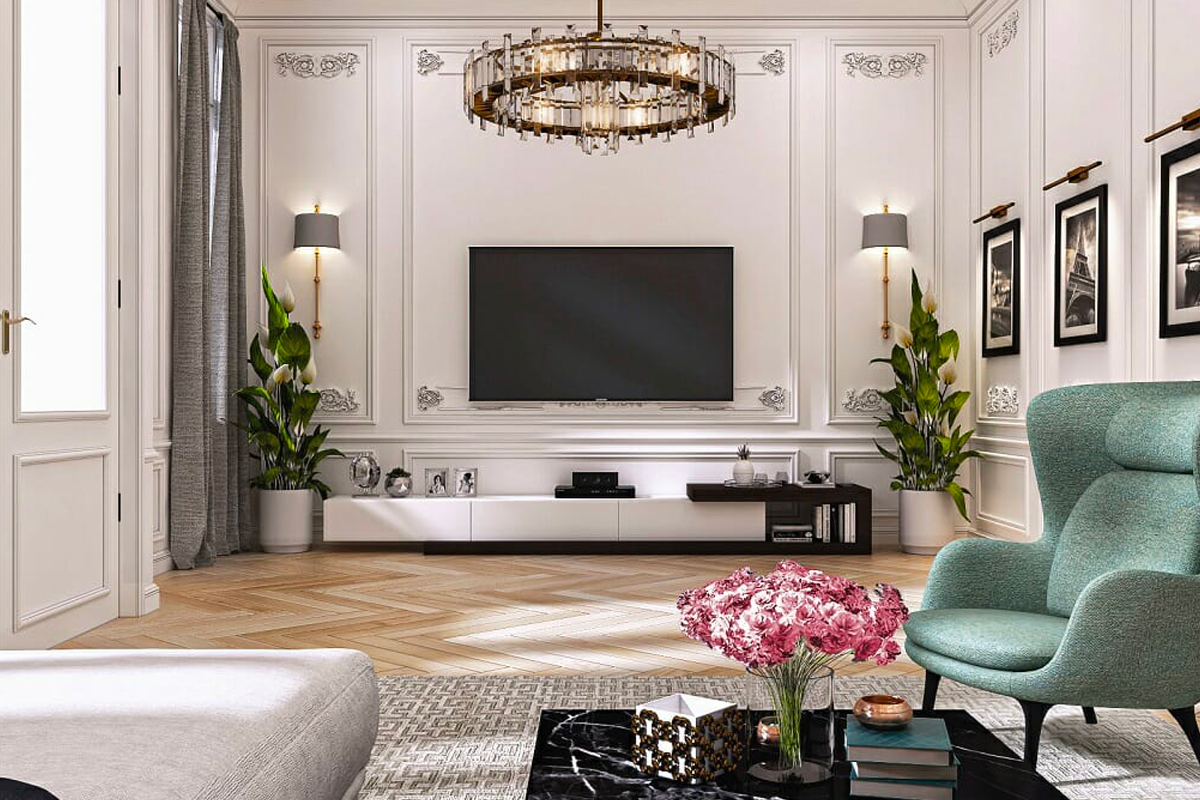
Classical architecture is known for its timeless elegance and intricate details. It draws inspiration from ancient Greek and Roman designs, emphasizing grandeur and harmony.
Key Features: – Large columns, decorative friezes, and elaborate cornices. – High ceilings and grand entrances. – Use of high-quality materials such as stone and wood.
The industrial style originates from repurposed factories and warehouses, making use of raw materials and exposed structures. It creates an urban, unfinished aesthetic.
Key Features: = Open spaces with high ceilings. = Exposed brick walls, steel beams, and ductwork. – A blend of rustic and modern furniture.
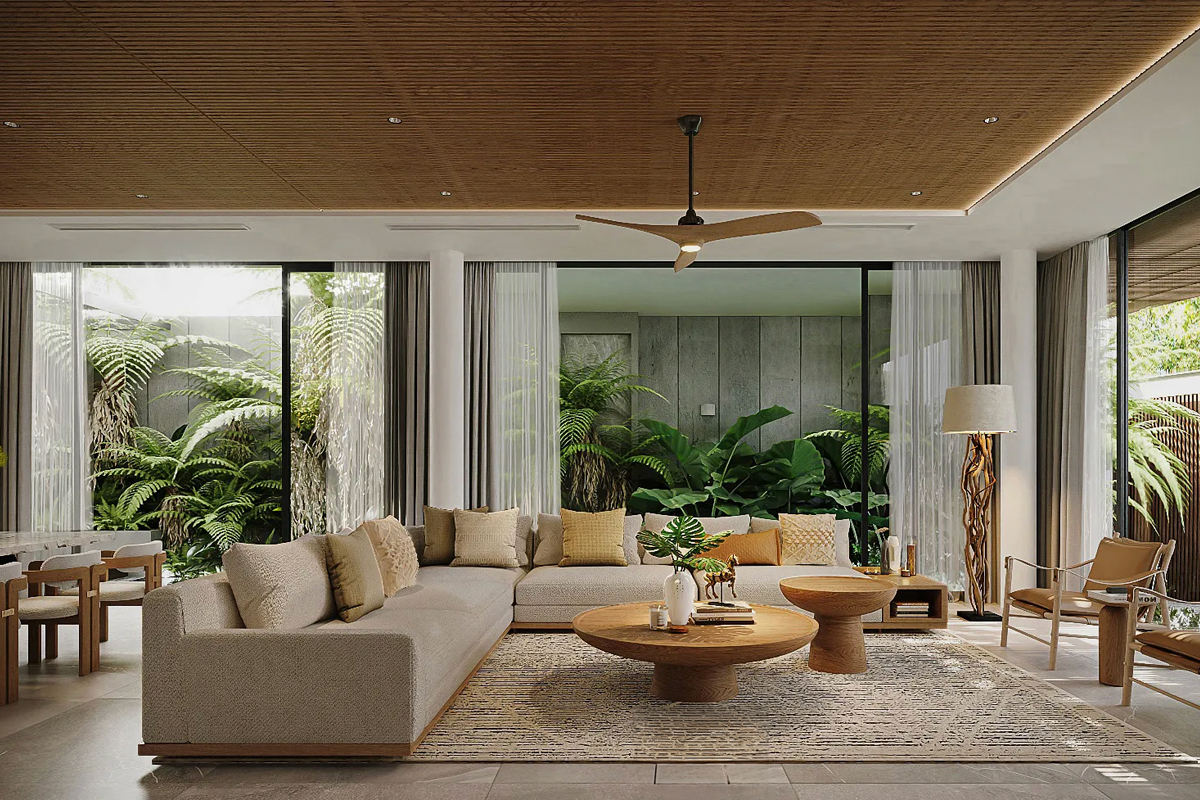
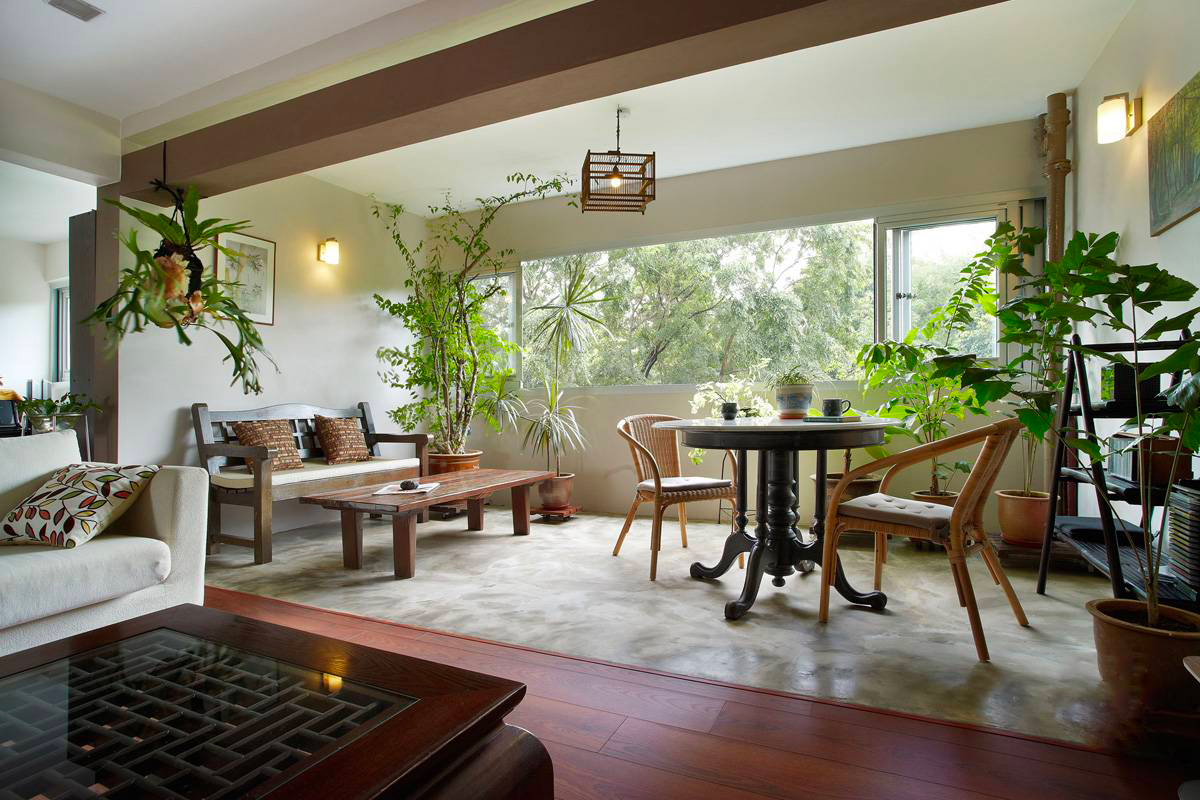
Designed for warm and humid climates, tropical architecture focuses on ventilation, shade, and sustainable materials to create a comfortable living environment.
Key Features: – Large windows and open-air structures. – Natural materials like bamboo, teak, and palm leaves. – Integration with lush landscapes and water features.
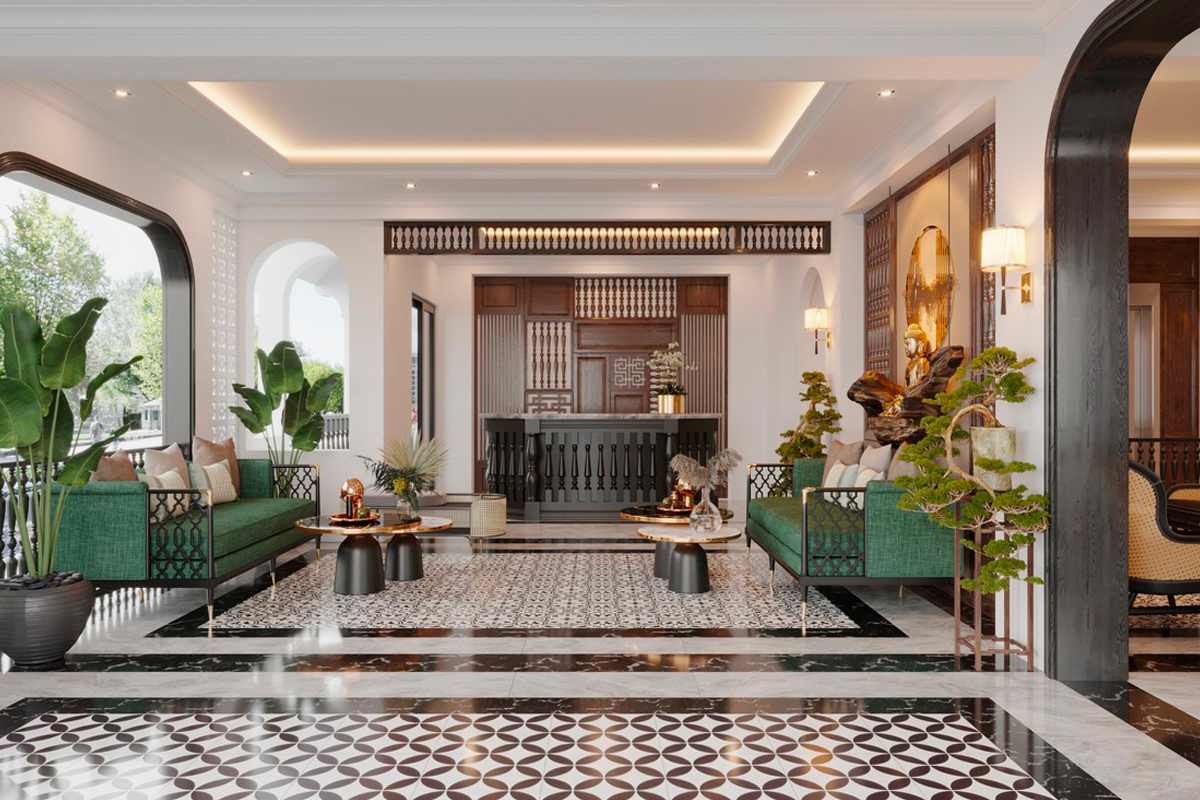
A blend of French colonial and Southeast Asian design elements, Indochine architecture is a harmonious fusion of Western and Eastern influences.
Key Features: – Sloping tiled roofs and wooden shutters. – Intricate wood carvings and antique-inspired furniture. – High ceilings and natural ventilation for tropical climates.
Applications: Heritage homes, boutique hotels, cultural centers.
8. Sustainable Architecture
Sustainable architecture aims to reduce environmental impact through energy-efficient designs and eco-friendly materials.
Key Features: Renewable energy sources such as solar panels and wind turbines. Use of recycled and locally sourced materials. Green roofs, rainwater harvesting, and passive cooling techniques.
Applications: Eco-friendly homes, green office buildings, sustainable communities.
9. Postmodernism
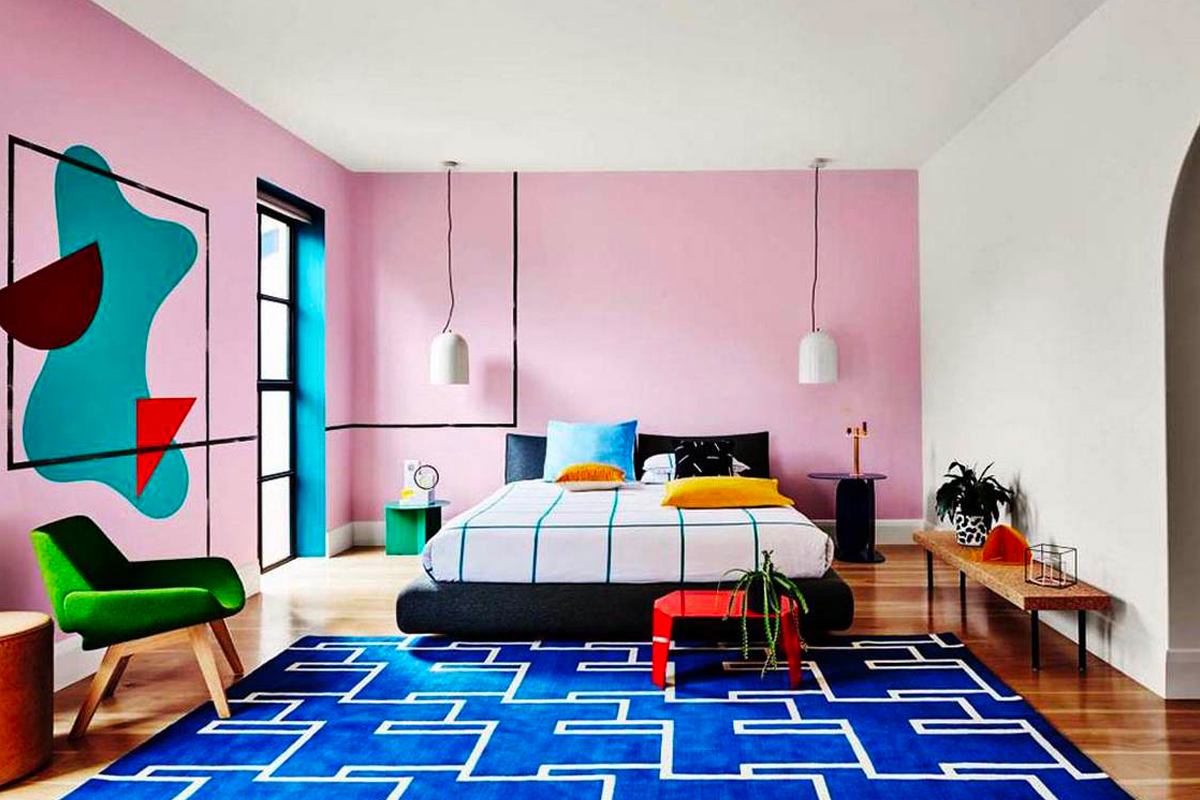
Postmodern architecture emerged as a reaction against the simplicity of Modernism. It embraces bold colors, eclectic designs, and unconventional shapes.
Key Features: Playful and exaggerated architectural forms. Contrasting materials and textures. Bright, vibrant color schemes.
Applications: Cultural centers, entertainment venues, commercial buildings.
10. Gothic Architecture
Gothic architecture is known for its dramatic, intricate designs and towering structures. Originating in the Middle Ages, it remains one of the most distinctive architectural styles.
Key Features: Pointed arches, ribbed vaults, and flying buttresses. Stained glass windows with elaborate tracery. Highly decorative facades and ornate sculptures.