Optimizing Small Spaces – Design Tips for Compact Homes
In the fast-paced urbanization era, living spaces are becoming increasingly limited, especially in major cities. However, with smart design solutions, you can still own a comfortable, airy, and functional home, even with limited space. Below are some key strategies to optimize small spaces and create an ideal living environment.
1. Choosing a Minimalist Design Style
Minimalism is the top choice for small homes. This design philosophy follows the principle of “less but better,” eliminating unnecessary details, optimizing space, and creating a more spacious feel.
Characteristics of Minimalist Design:
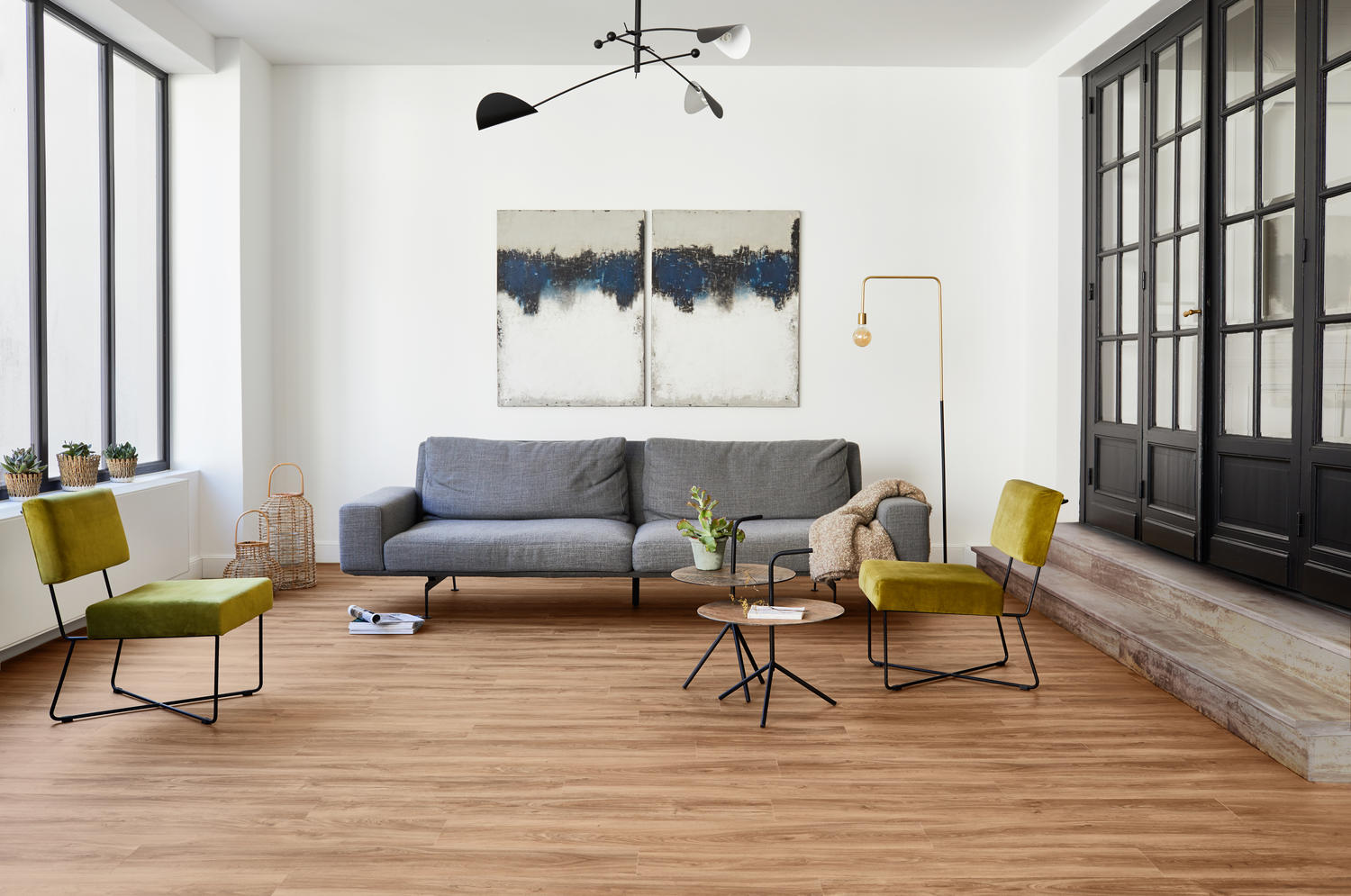
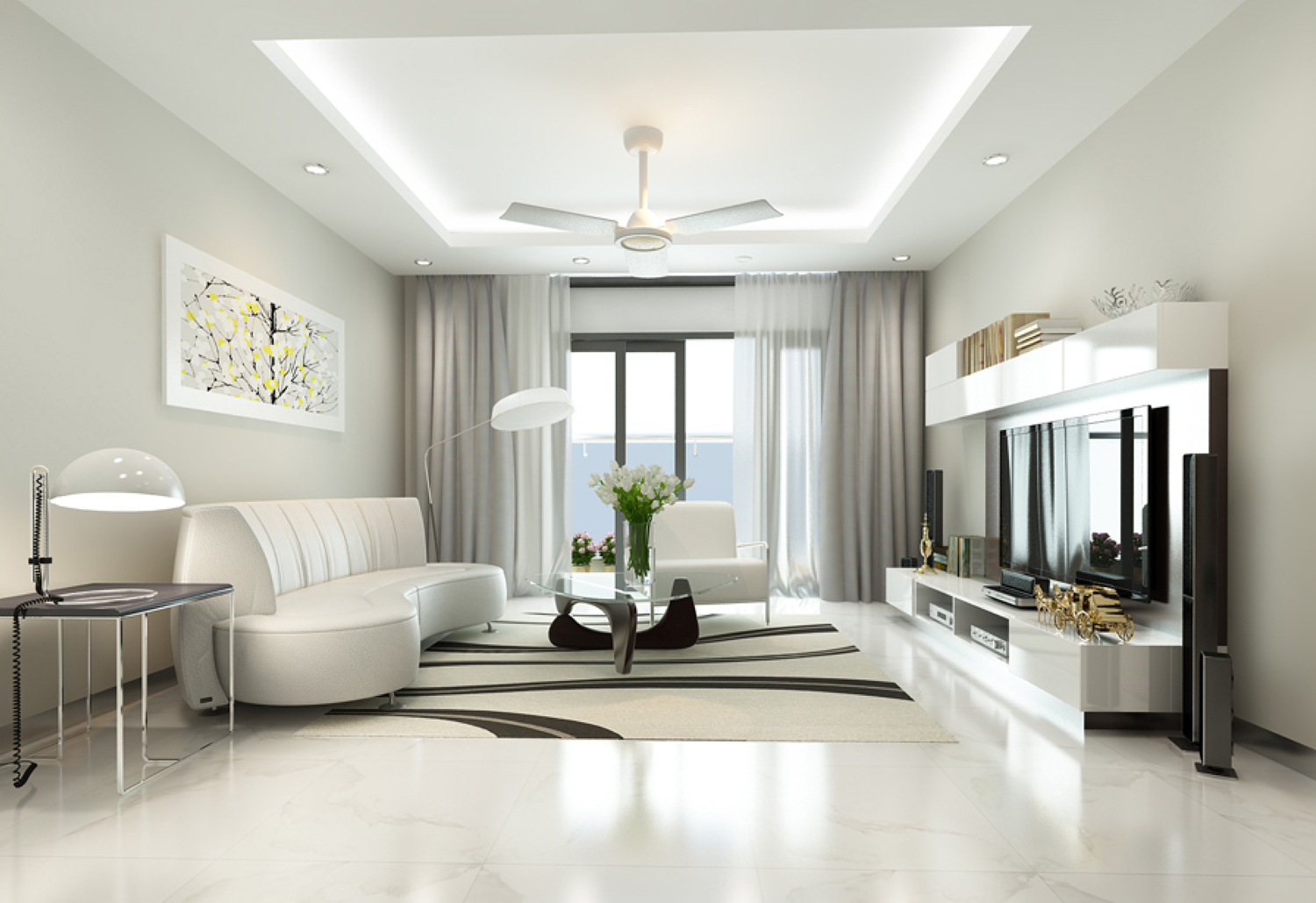
Neutral Colors: Using white, beige, and gray tones makes the space look larger and feel more open. These colors reflect light well, making the room appear brighter.
Simple and Compact Furniture: Limit unnecessary furnishings. Choose items with streamlined designs and simple lines to avoid a cluttered look.
Avoid Excessive Decorations: Prioritize functional items over decorative pieces. A few monochrome paintings or small green plants can add highlights without overwhelming the space.
2. Maximizing Natural Light
Natural light is essential for making small spaces feel larger and more airy. Expanding windows, using light-colored curtains, and incorporating reflective materials can enhance natural lighting.
Effective Ways to Utilize Natural Light:
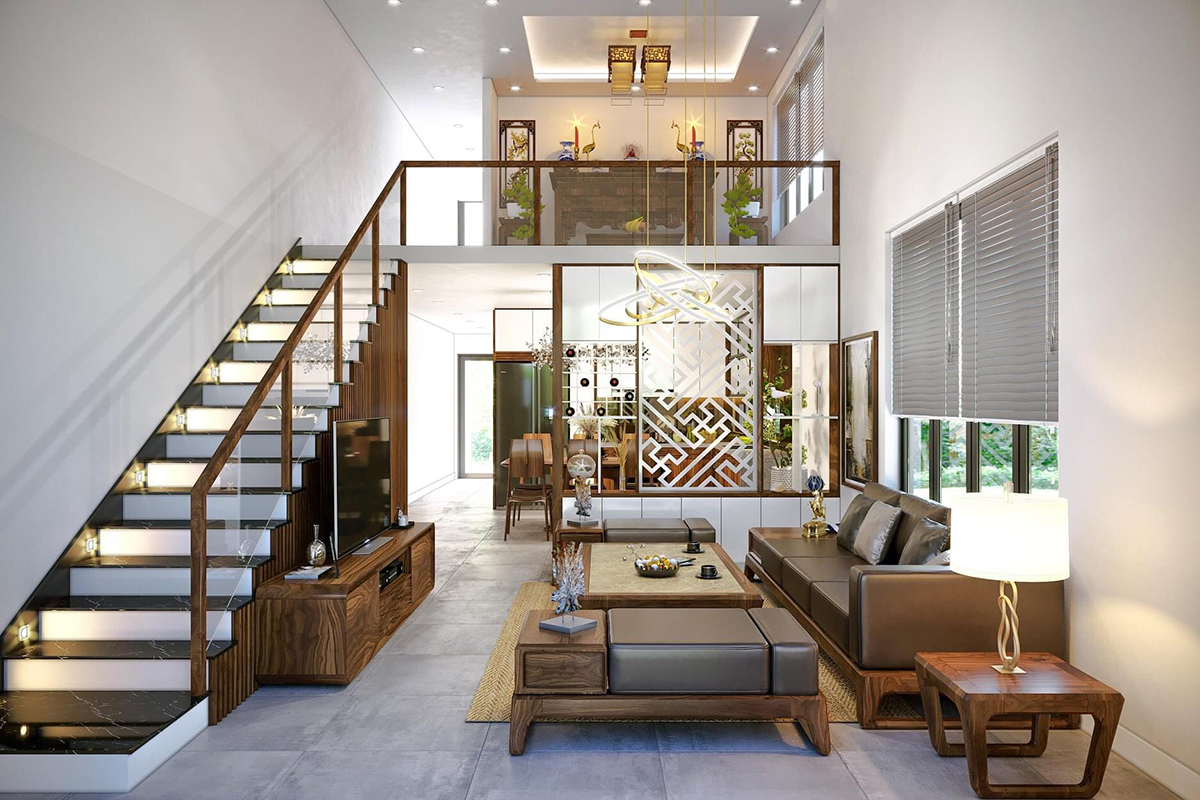
Use Transparent Glass: Glass partitions instead of concrete walls help expand space and allow natural light to flow throughout the house.
Reflective Mirrors: Position mirrors opposite windows to reflect light and create a more spacious effect.
Light, Sheer Curtains: White, beige, or pastel-colored curtains made of thin fabric allow light to pass through easily.
3. Using Smart and Multi-Functional Furniture
Multi-purpose furniture helps save space while maintaining functionality.
Storage Beds: These allow storage for clothes, blankets, and pillows without needing additional cabinets.
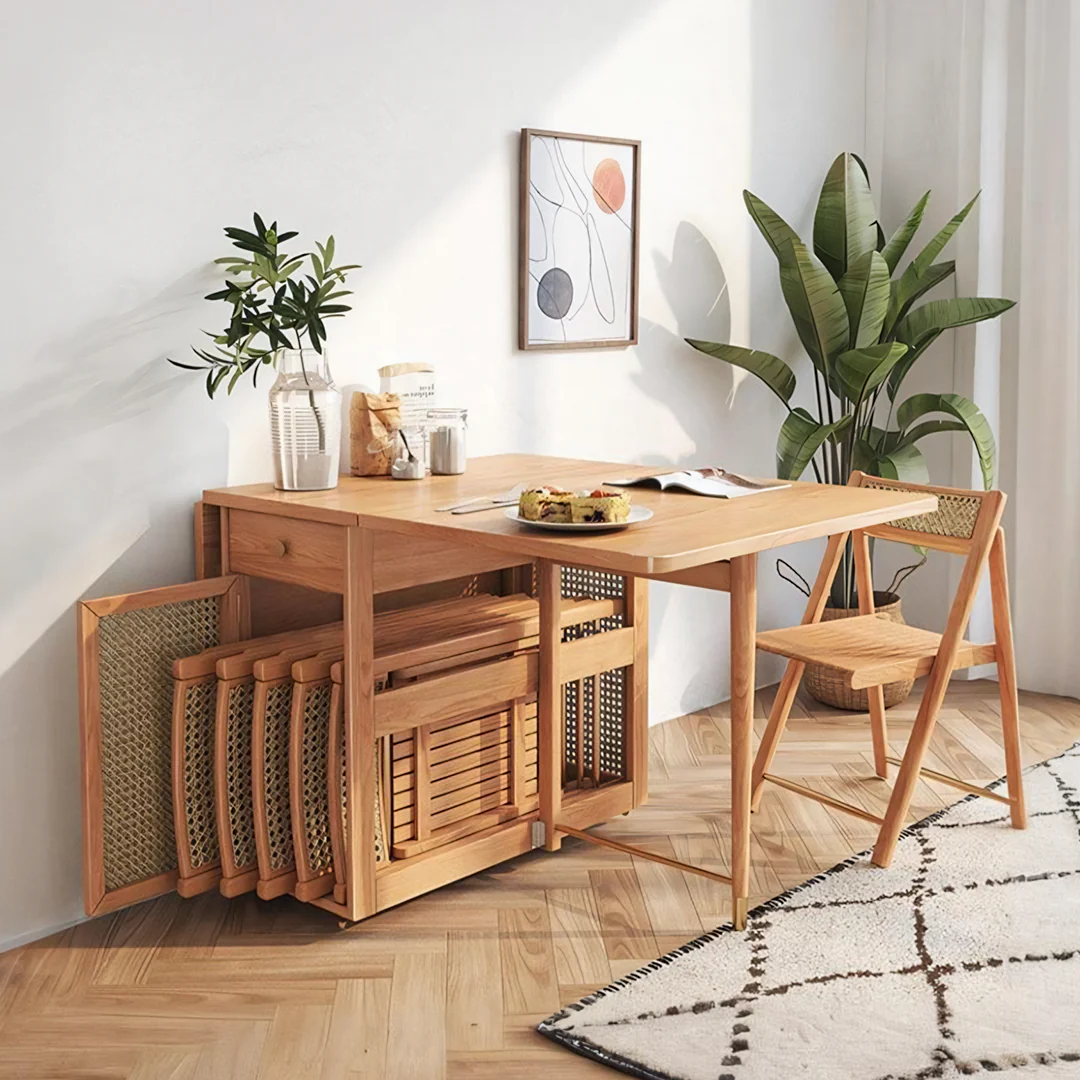
Foldable Dining Tables: Can be collapsed when not in use to free up space for other activities.
Sofa Beds: A combination of sofa and bed, perfect for small spaces.
Built-in Wall Cabinets: Maximizes space while keeping the area organized.
4. Creating an Open-Plan Layout
An open-plan layout helps make a small home feel more spacious by reducing unnecessary partitions between functional areas.
How to Create an Open Space:
Limit Solid Partitions: Instead of walls, use bookshelves, glass dividers, or curtains to separate spaces.
Incorporate Multi-Functional Furniture: Using transformable furniture makes the space more flexible.
Maintain a Unified Color Scheme: A consistent color palette throughout the home creates a sense of continuity.
5. Choosing the Right Colors and Materials
Colors significantly impact spatial perception. Light and neutral tones make spaces look larger and cleaner.
Color Selection:
White, Beige, and Cream: Help brighten the space and create an expansive effect.
Pastel Colors: Offer a soft and relaxing feel without being too overwhelming.
Accent Colors: Darker shades like navy blue or deep gray can be used for highlights to avoid monotony.
Suitable Materials:
Light Wood: Creates a warm atmosphere without feeling heavy.
Glass and Metal: Adds a modern touch and enhances light reflection.
Glossy Tiles: Reflect light and contribute to a brighter room.
6. Organizing Efficiently and Optimizing Storage Space
A well-organized space remains clutter-free and maximizes the available area.
Wall-Mounted Shelves: Saves floor space and can be used to display decorative plants.
Utilize Unused Spaces: Areas under the bed or stairs can be repurposed for storage.
Storage Bins and Baskets: Help categorize and organize belongings neatly.
7. Minimalist Yet Elegant Decoration
Decorating a small space requires subtlety to avoid making it feel cramped.
Small Artwork Pieces: Add focal points without cluttering the space.
Small Indoor Plants: Improve air quality and provide a refreshing ambiance.
Wall Mirrors: Enhance light reflection and create a larger-space illusion.
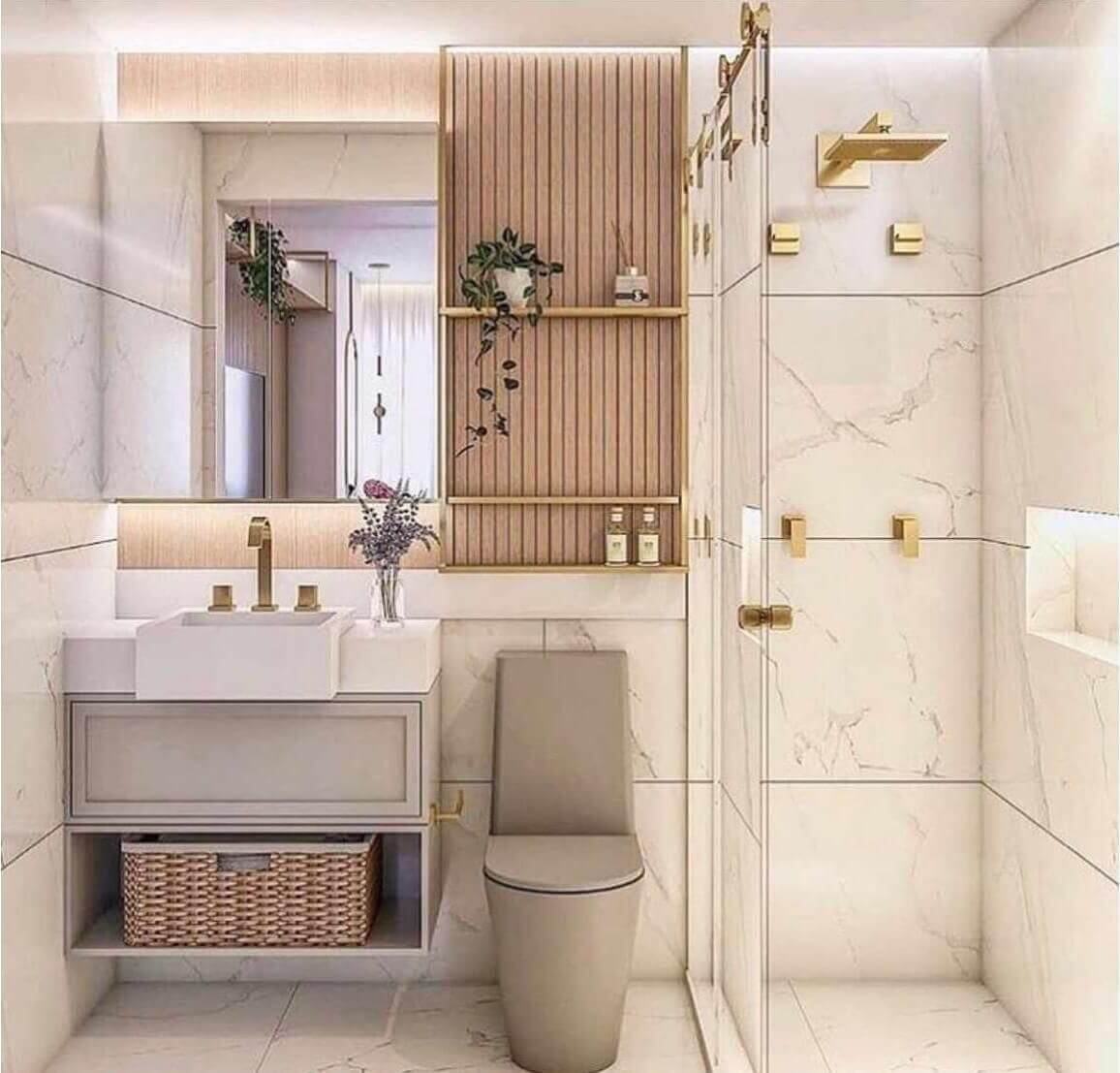
8. Designing a Compact Yet Functional Bathroom
A small bathroom can still be fully equipped with thoughtful arrangements.
Wall-Mounted Sinks: Save floor space.
Corner Shelves: Utilize corner areas for storage.
Large Mirrors: Create a more spacious effect.
9. Implementing Smart Home Technology
Smart devices can effectively optimize living spaces.
Smart Lighting: Adjustable brightness according to needs.
Automated Curtains: Saves space and adds convenience.
Voice-Controlled Systems: Enhances space optimization and functionality.